


Parasite Prevention
Protect your pet all year round
Regular nail trimming is an important part of your pet’s overall health and wellbeing. Overgrown nails can become uncomfortable, affect the way your pet walks and, if left too long, may lead to pain or injury.
Whether your pet needs a quick trim or you’re unsure if it’s time, our friendly team is here to help. We can safely trim your pet’s nails and even show you how to maintain them at home if you’d like.
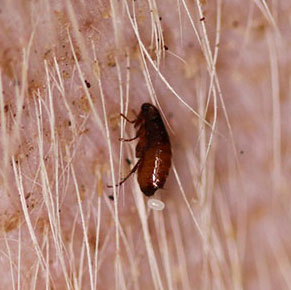
Fleas
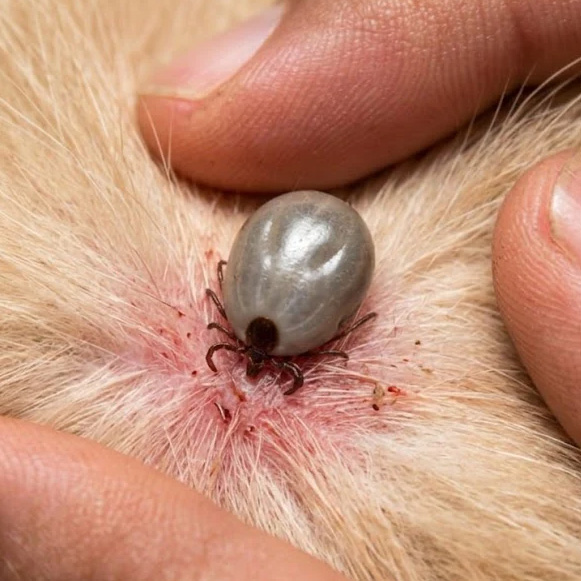
Ticks
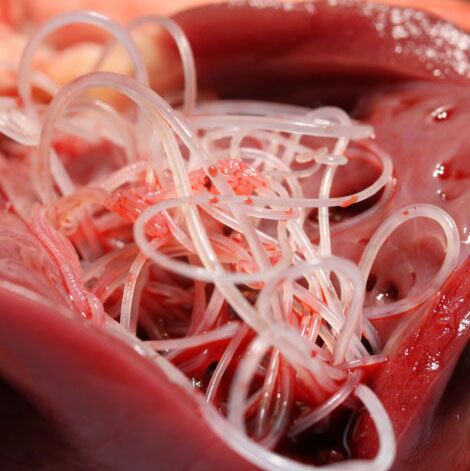
Heartworm
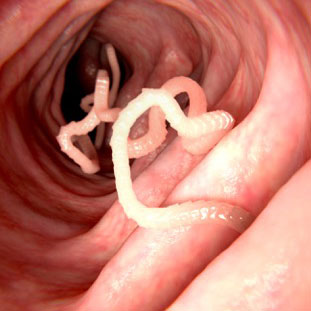
Intestinal Worms
Book an appointment today to keep your pet happy, healthy and comfortable.
Flea prevention
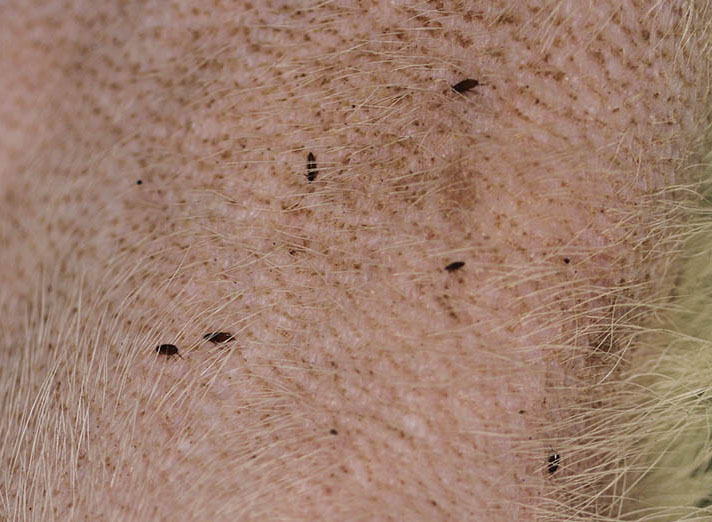
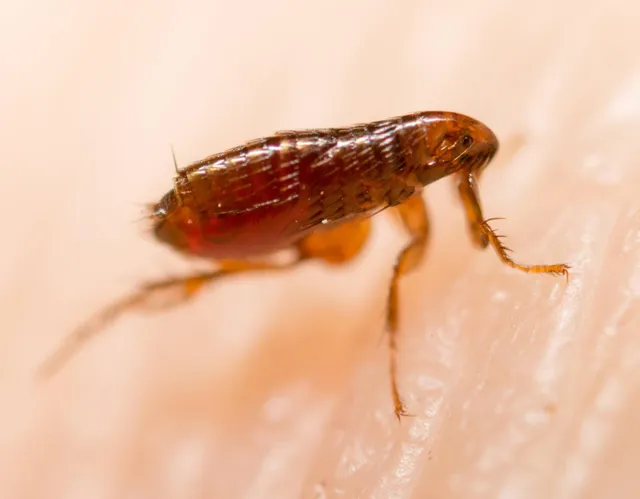
Fleas are one of the most common parasites affecting dogs and cats. While they can cause itching and irritation, they can also lead to skin disease and spread infectious and parasitic diseases. Some of these diseases can even be transmitted to people.
For some dogs, flea bites can trigger Flea Allergy Dermatitis (FAD), an intensely itchy skin condition where even a small number of fleas can cause severe irritation.
Most pets pick up fleas from the environment rather than directly from other animals. They can be found in parks, beaches, backyards and even inside your home.
It’s also important to remember that the adult fleas you see on your pet are only a small part of the problem. Around 95% of the flea population lives in the environment as eggs, larvae and pupae, hiding in bedding, carpets and around the home.
Because fleas can survive throughout the year, year-round flea prevention is recommended for the best protection.

Tick prevention
Ticks are a serious concern for pets across Australia, particularly on the east coast where paralysis ticks are commonly found.
Paralysis ticks
The paralysis tick (Ixodes holocyclus) is one of the most dangerous parasites affecting dogs and cats. After attaching to your pet, it releases a toxin that can cause severe illness and, if left untreated, can be fatal.
Signs of tick paralysis may include:
- Weakness or wobbliness in the back legs
- Difficulty standing or walking
- Changes in bark or meow
- Retching, coughing or vomiting
- Loss of appetite
- Laboured or rapid breathing
- If your pet shows any of these signs, seek veterinary attention immediately.
Reducing the risk
To help protect your pet:
Use an effective tick prevention product all year round.
Perform daily tick searches, particularly during tick season.
Keep gardens tidy by removing leaf litter and dense vegetation.
Remove any ticks immediately and contact your veterinarian if you’re concerned.
Brown dog ticks and bush ticks
Although brown dog ticks and bush ticks don’t cause paralysis, they can still cause skin irritation and transmit other serious diseases, including Babesia, which affects red blood cells and can be life-threatening.
We’re happy to show you how to perform a thorough tick search and recommend the most suitable tick prevention products for your pet.
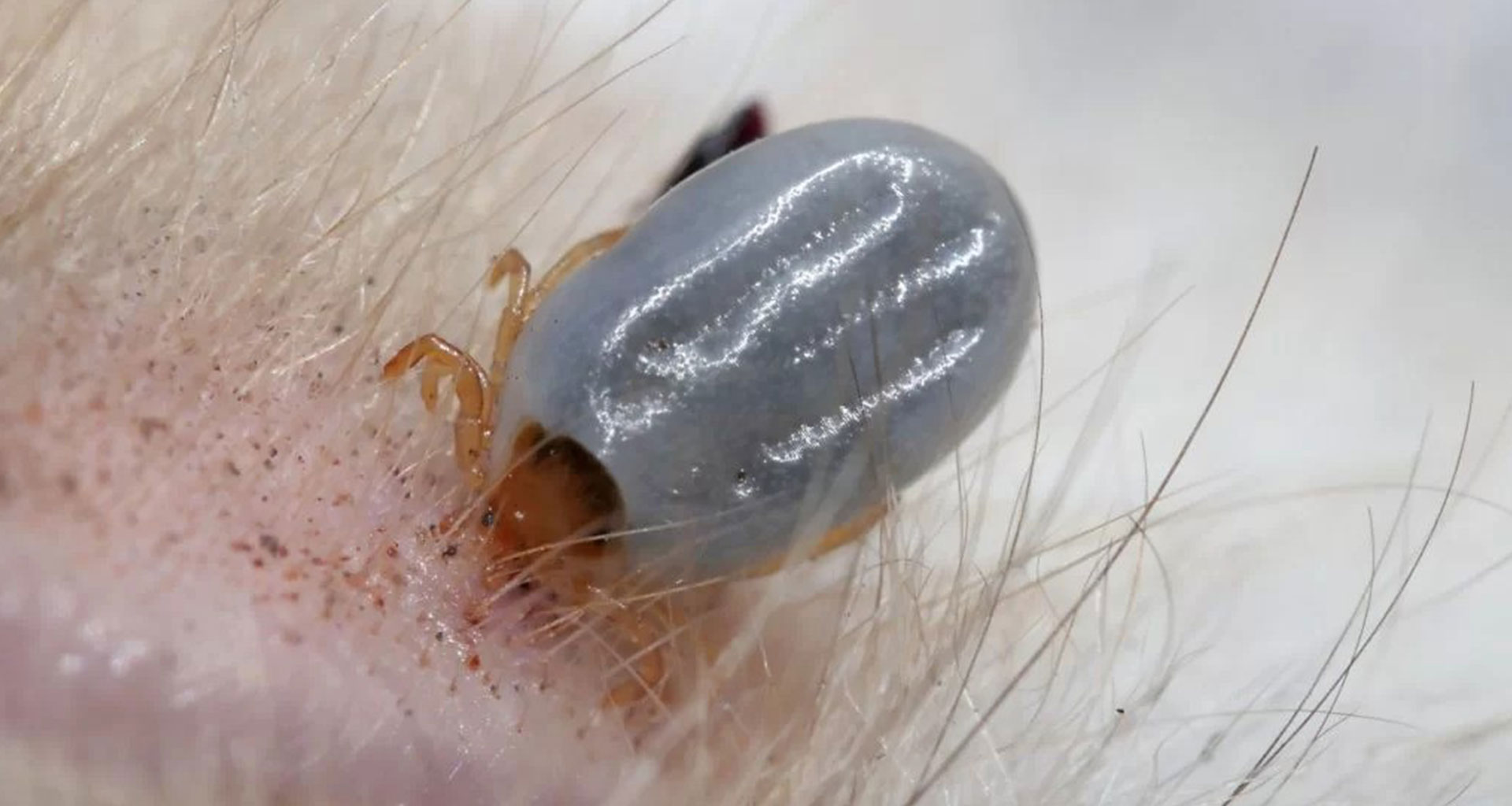
Paralysis Tick
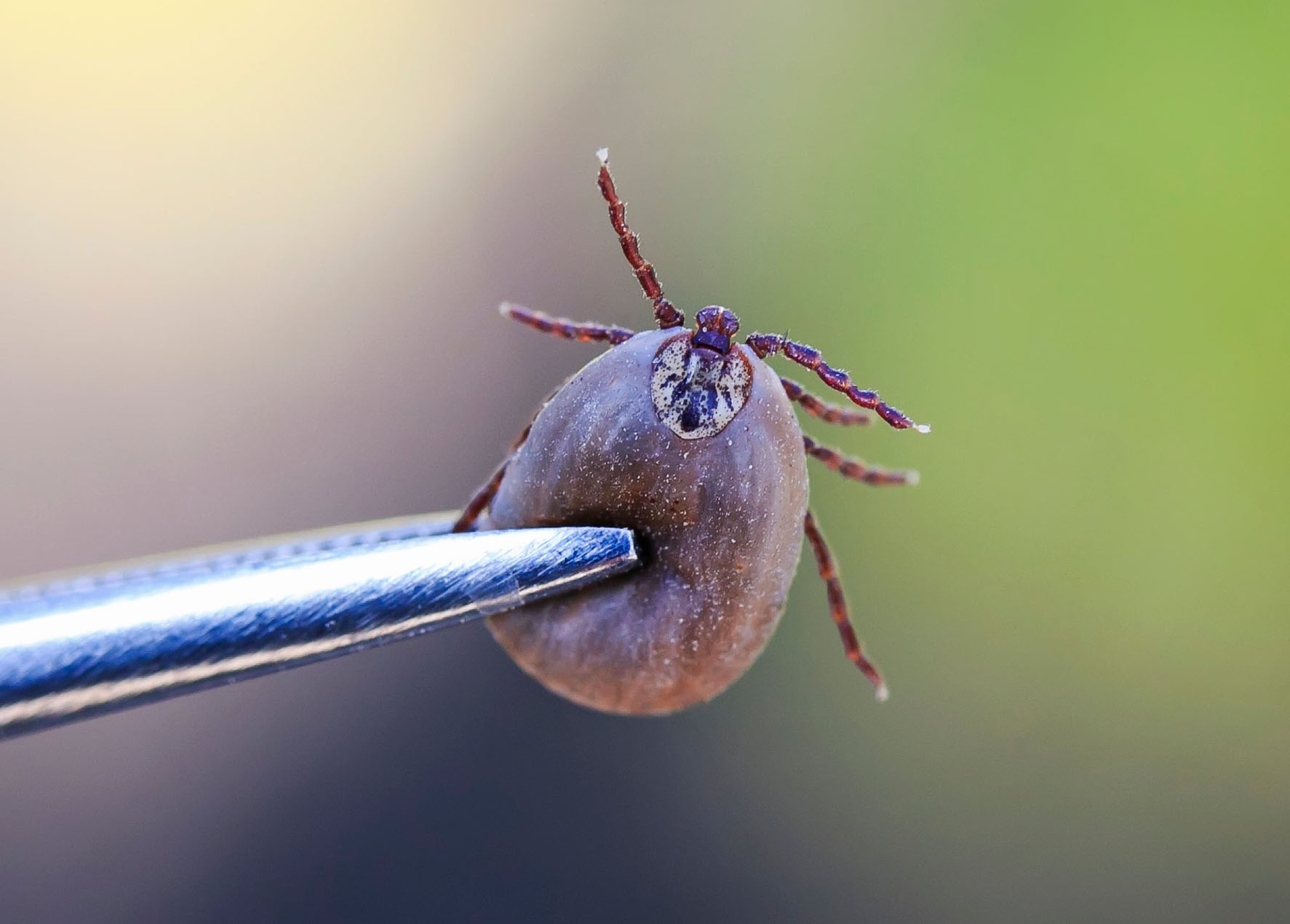
Brown Tick
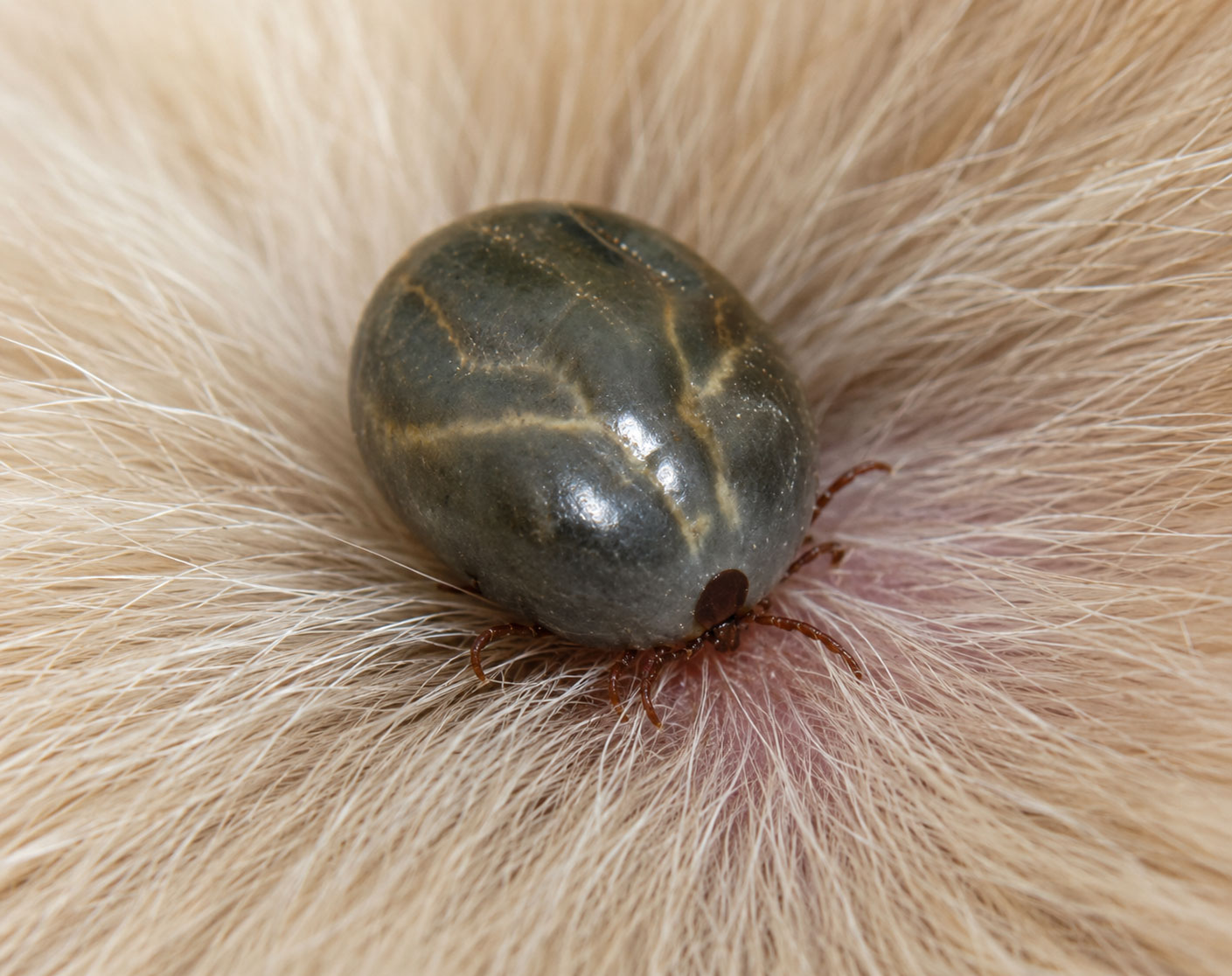
Bush Tick
Heartworm prevention
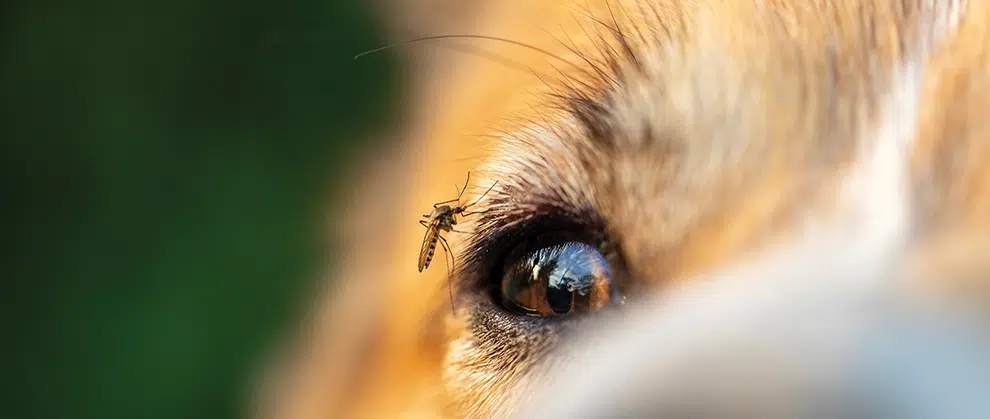
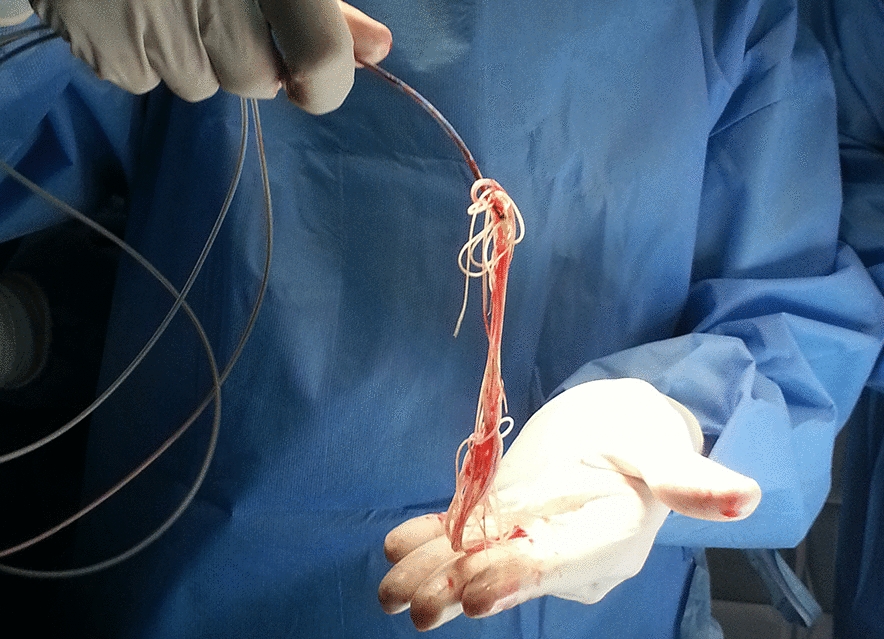
Heartworms are spread by mosquitoes. Once inside your pet, the worms travel through the bloodstream before settling in the heart and major blood vessels, where they can grow to over 30 cm long.
Many pets show no signs during the early stages of infection, but as the worms mature they can interfere with normal heart function, eventually leading to heart failure and, in severe cases, sudden death.
Fortunately, heartworm is easy to prevent with regular preventative treatment.
If your pet hasn’t been on heartworm prevention, we may recommend a heartworm test before starting a prevention program.
Speak with our team about the most suitable heartworm prevention for your pet.
Intestinal worm prevention
Intestinal worms are common in dogs, cats and many other animals. Puppies and kittens are especially susceptible, and some intestinal worms can also be passed to people.
Common intestinal worms include:
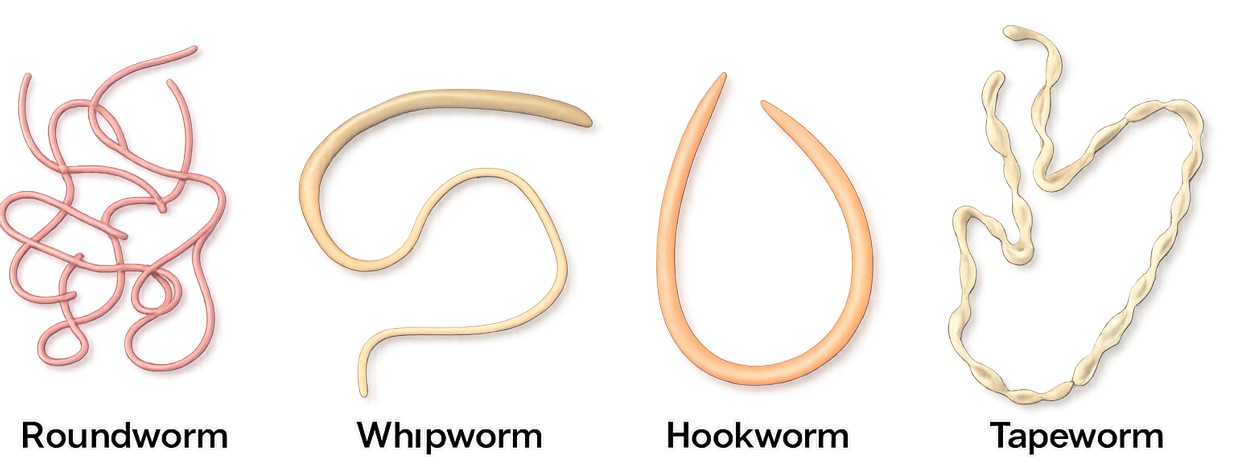
Some pets show no obvious signs of infection, while others may experience digestive upset, poor growth, weight loss or anaemia.
Regular worming is the most effective way to keep your pet healthy and reduce contamination of the environment.
Reducing the risk
You can help protect your family and your pets by:
- Following a regular worming program.
- Promptly disposing of pet faeces.
- Washing hands after handling pets or gardening.
- Covering children’s sandpits.
- Preventing pets from scavenging or hunting.
- Our team can recommend a worming schedule that’s appropriate for your pet’s age and lifestyle.