


Bird Care
Helping your pet bird live a healthy, enriched life
Every species has unique requirements for housing, nutrition and enrichment, so it’s important to understand your bird’s individual needs. Our team is happy to provide advice tailored to your feathered companion.
Choosing the right bird
Some birds enjoy regular handling and interaction, while others are happiest simply being observed. Lifespans also vary greatly, with some larger parrots living for several decades.
Choosing the right bird helps ensure a rewarding relationship for both you and your pet.
Housing
A safe, spacious and stimulating environment is essential for your bird’s health and wellbeing.
A suitable cage or aviary
Your bird’s enclosure should allow enough room to comfortably stretch their wings, climb and move around. Whenever possible, birds benefit from time outside their enclosure in a safe, supervised environment.
Provide:
- Appropriate perches of varying diameters
- Secure food and water containers
- Toys and enrichment
- A quiet area for rest
Position the enclosure in a bright, well-ventilated part of the home, away from strong draughts and direct afternoon sun.
Enrichment and social interaction
Birds are highly intelligent animals and require regular mental stimulation.
Depending on the species, enrichment may include:
- Swings and ladders
- Foraging toys
- Bells and ropes
- Safe branches to chew
- Daily interaction with people or compatible bird companions
Regular enrichment helps reduce boredom and encourages natural behaviours.
Feeding your bird
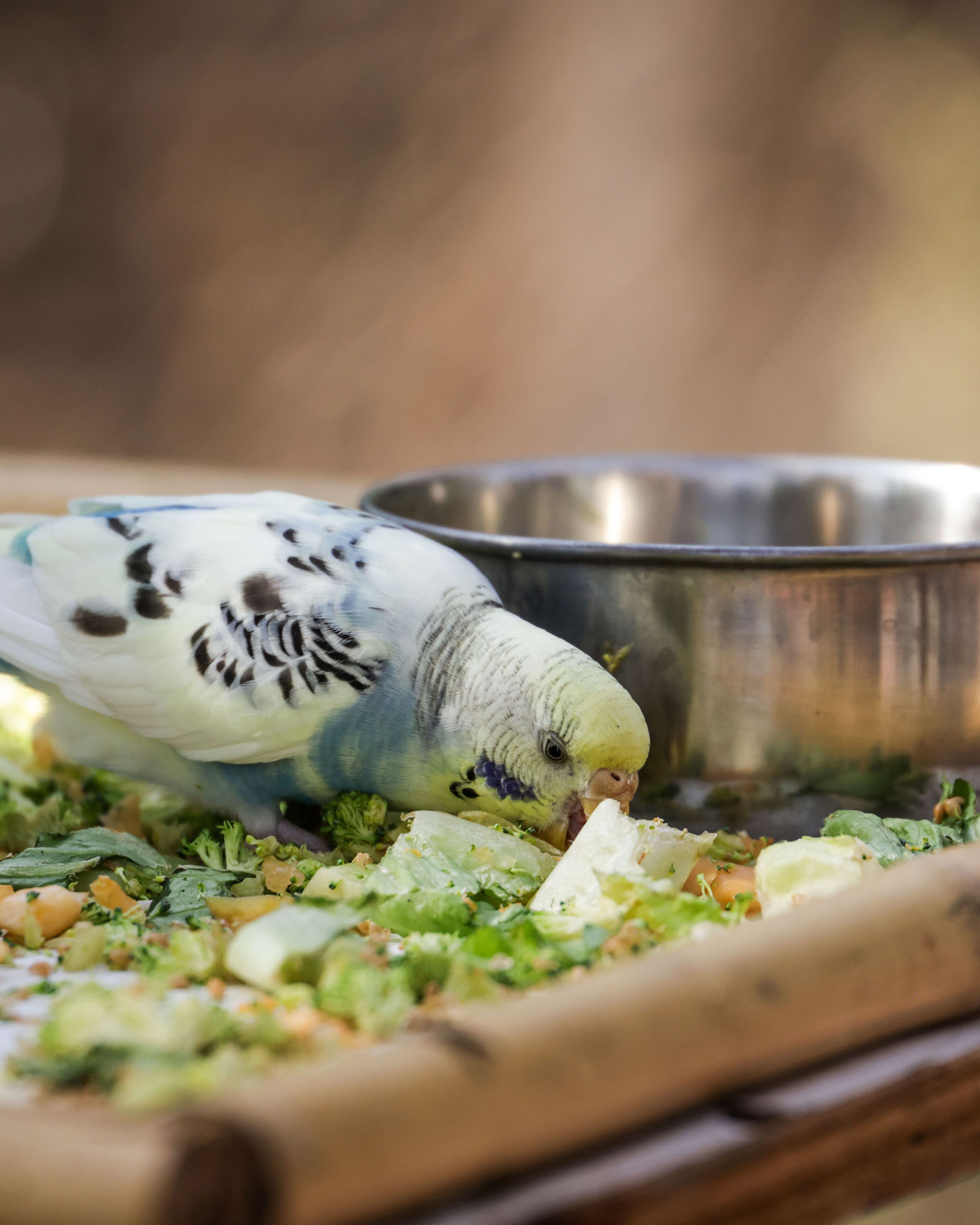
A balanced diet is one of the most important parts of your bird’s care.
Many birds require more than just seed to stay healthy. Depending on the species, their diet may include:
- High-quality formulated pellets
- Fresh leafy greens and vegetables
Suitable fruits - Seed mixes in appropriate amounts
Fresh, clean water should always be available and changed daily.
A cuttlebone or other calcium source may also be recommended for some species.
If you’re unsure about your bird’s nutritional needs, our veterinary team can provide personalised dietary advice.
Handling and training
Allow your bird to build trust at their own pace, and always use calm, positive interactions. Regular handling also makes health checks and veterinary examinations much less stressful.
Some species may even learn to mimic words and sounds through consistent interaction.
Preventative healthcare
Routine veterinary care is essential for maintaining your bird’s health.
Regular health checks
Birds often hide signs of illness until they are quite unwell, making regular examinations especially important.
Routine health checks allow us to identify problems early and provide advice on nutrition, behaviour and general wellbeing.
Keeping your bird healthy
A healthy routine includes:
- A balanced diet
- A clean enclosure
- Fresh food and water daily
- Plenty of exercise and enrichment
- Monitoring for changes in appetite, droppings or behaviour
If you notice your bird becoming quiet, fluffed up, eating less or behaving differently, we recommend seeking veterinary advice as soon as possible.