


Dog Vaccination Guide
Giving your puppy the best start in life
This guide explains what to expect throughout your dog’s vaccination journey, why each vaccination is important, and how to safely socialise your puppy while they’re still building immunity.
Why do puppies need multiple vaccinations?
Newborn puppies receive temporary immunity from antibodies passed to them through their mother’s milk. These maternal antibodies provide early protection but gradually disappear over the first few months of life.
The challenge is that every puppy loses this protection at a slightly different rate. If they’re vaccinated too early, the mother’s antibodies can prevent the vaccine from working properly. If they’re vaccinated too late, they may be left unprotected.
For this reason, puppies receive a series of vaccinations, ensuring they develop reliable immunity as their maternal protection fades.
Your puppy’s vaccination schedule
Although every puppy is different, a typical vaccination program looks something like this:
6–8 weeks
Your puppy receives their first vaccination, helping begin protection against serious infectious diseases.
At this visit we’ll also perform a full health check, discuss parasite prevention, nutrition and answer any questions about caring for your new puppy.
10–12 weeks
Your puppy receives their second vaccination, boosting their developing immune system and increasing protection.
This is often when puppies become more confident and curious, making socialisation especially important.
14–16 weeks
Your puppy receives their final puppy vaccination, completing their initial vaccination course.
Your veterinarian will let you know when it’s safe for your puppy to begin exploring the outside world after this vaccination.
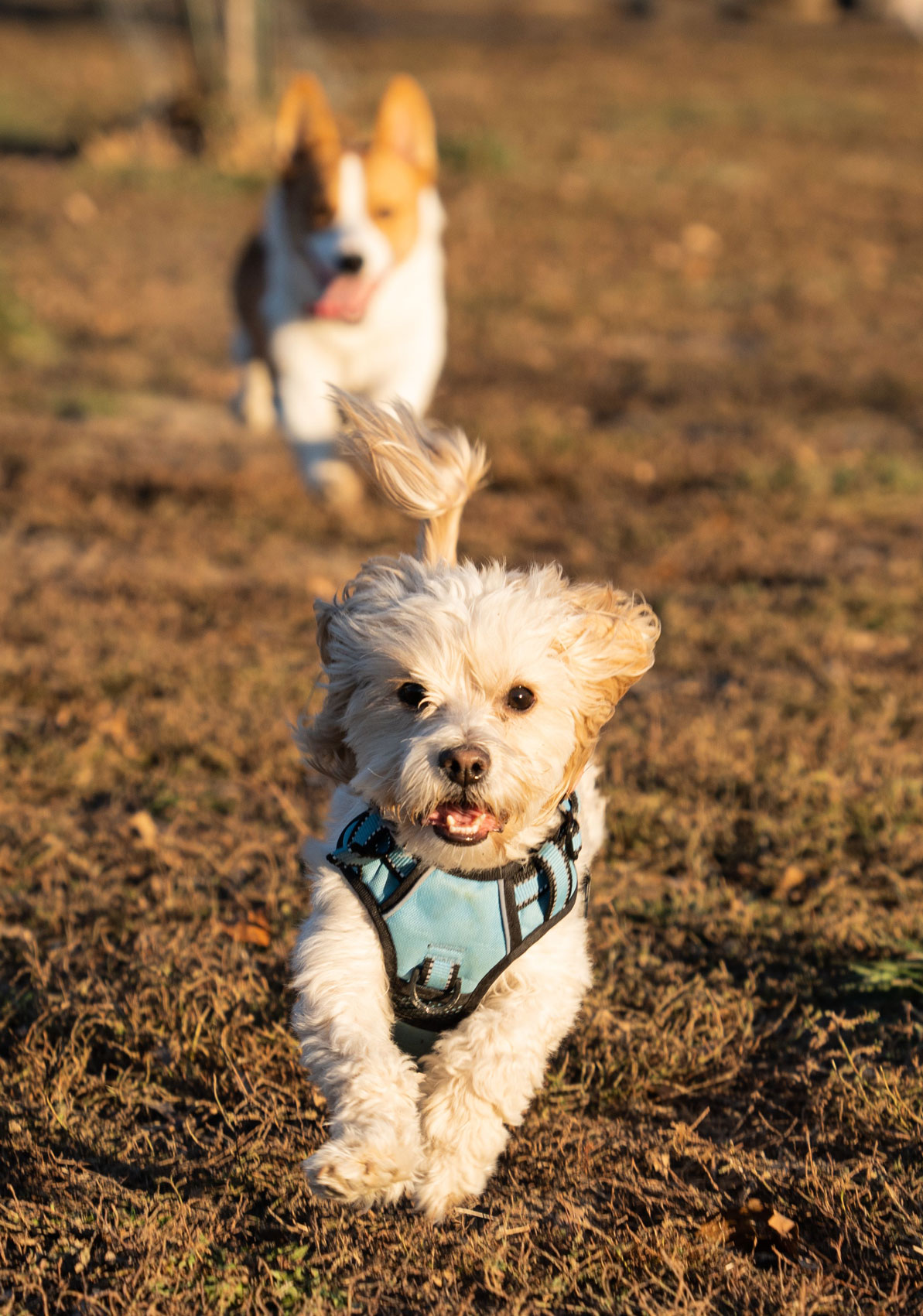
Can my puppy go outside before they’re fully vaccinated?
This is one of the most common questions new puppy owners ask.
Until your puppy has completed their vaccination course and your veterinarian confirms they are protected, avoid taking them to places where unknown dogs have been, including:
- Dog parks
- Public parks
- Footpaths with heavy dog traffic
- Beaches popular with dogs
- Pet stores
- Shared grass areas
Diseases such as parvovirus can survive in the environment for months and don’t require direct contact with another dog to spread.
But my puppy still needs socialisation!
Absolutely.
The first few months of life are also the most important time for behavioural development. Good socialisation helps puppies grow into confident, well-adjusted adult dogs.
The good news is that socialisation doesn’t have to involve walking on public ground.
Safe ways to socialise your puppy include:
- Inviting healthy, fully vaccinated dogs to your home.
- Carrying your puppy through busy areas so they can experience new sights, sounds and smells.
- Short car trips.
- Meeting different people, including children.
- Introducing household noises like vacuum cleaners and doorbells.
- Visiting friends’ homes with vaccinated pets.
The goal is to expose your puppy to as many positive experiences as possible while minimising the risk of disease exposure.
Booster vaccinations
Once your puppy has completed their initial vaccination course, they’ll require ongoing booster vaccinations throughout adulthood.
Your dog’s vaccination schedule may vary depending on:
- Age
- Lifestyle
- Boarding or daycare attendance
- Travel
- Local disease risks
We’ll recommend the most appropriate vaccination program for your individual dog.
Diseases we vaccinate against
Canine Parvovirus
One of the most serious diseases affecting puppies.
Parvovirus attacks the intestinal tract, causing severe vomiting, bloody diarrhoea and dehydration. Even with intensive veterinary care, some dogs do not survive.
Because the virus survives in the environment for long periods, puppies can become infected without ever meeting another dog.
Canine Distemper
A highly contagious viral disease that affects multiple body systems.
Symptoms may include fever, coughing, vomiting, diarrhoea and neurological signs such as tremors or seizures. Dogs that survive may suffer permanent nervous system damage.
Infectious Canine Hepatitis
This viral disease affects the liver, kidneys and eyes and can become life-threatening, particularly in young dogs.
Vaccination has made this disease uncommon in Australia but protection remains essential.
Kennel Cough
Kennel cough is caused by several viruses and bacteria that spread easily anywhere dogs gather.
Although many dogs recover, the persistent cough can last several weeks and may develop into more serious respiratory disease, particularly in puppies or older dogs.
Leptospirosis
Leptospirosis is a bacterial disease that may be recommended depending on your dog’s lifestyle and where you live.
It is spread through the urine of infected wildlife and rodents and can also infect humans. Dogs that spend time around standing water, farms or areas with high rodent populations may have a higher risk.

After your dog’s vaccination
Most dogs experience no side effects after vaccination.
Some may develop:
- Mild tiredness
- Temporary soreness at the injection site
- Reduced appetite for a day
- A small lump where the vaccine was given
These signs usually resolve within 24–48 hours.
If your dog experiences facial swelling, difficulty breathing, repeated vomiting or any other severe reaction, contact us immediately.
Frequently asked questions
Will my dog need vaccinations every year?
Most dogs require ongoing booster vaccinations throughout life, although the timing may vary depending on the vaccines used and your dog’s lifestyle.
Can vaccinated dogs still get sick?
No vaccine offers 100% protection, but vaccination greatly reduces the risk of infection and helps lessen the severity of disease if exposure occurs.
Is it safe to vaccinate my dog?
Yes. Vaccinations are a safe and effective way to protect dogs against serious infectious diseases. Most dogs experience either no side effects or only mild, short-lived reactions.