


Cat Vaccination Guide
Protecting your cat at every stage of life
This guide explains how kitten vaccinations work, what diseases they help prevent and why regular booster vaccinations remain important throughout your cat’s life.
Why do kittens need multiple vaccinations?
Because every kitten loses this protection at a different rate, a series of vaccinations is needed to ensure they develop strong, long-lasting immunity.
Your veterinarian will recommend the most appropriate vaccination schedule based on your kitten’s age, lifestyle and risk factors.
Your kitten’s vaccination journey
A typical vaccination schedule begins from around 6–8 weeks of age, with additional vaccinations several weeks apart.
During each visit we’ll also perform a full health examination, monitor your kitten’s growth and discuss topics such as:
- Nutrition
- Parasite prevention
- Desexing
- Behaviour
- Microchipping
- Indoor versus outdoor lifestyles
These appointments are an excellent opportunity to ask questions and make sure your kitten gets the best possible start.
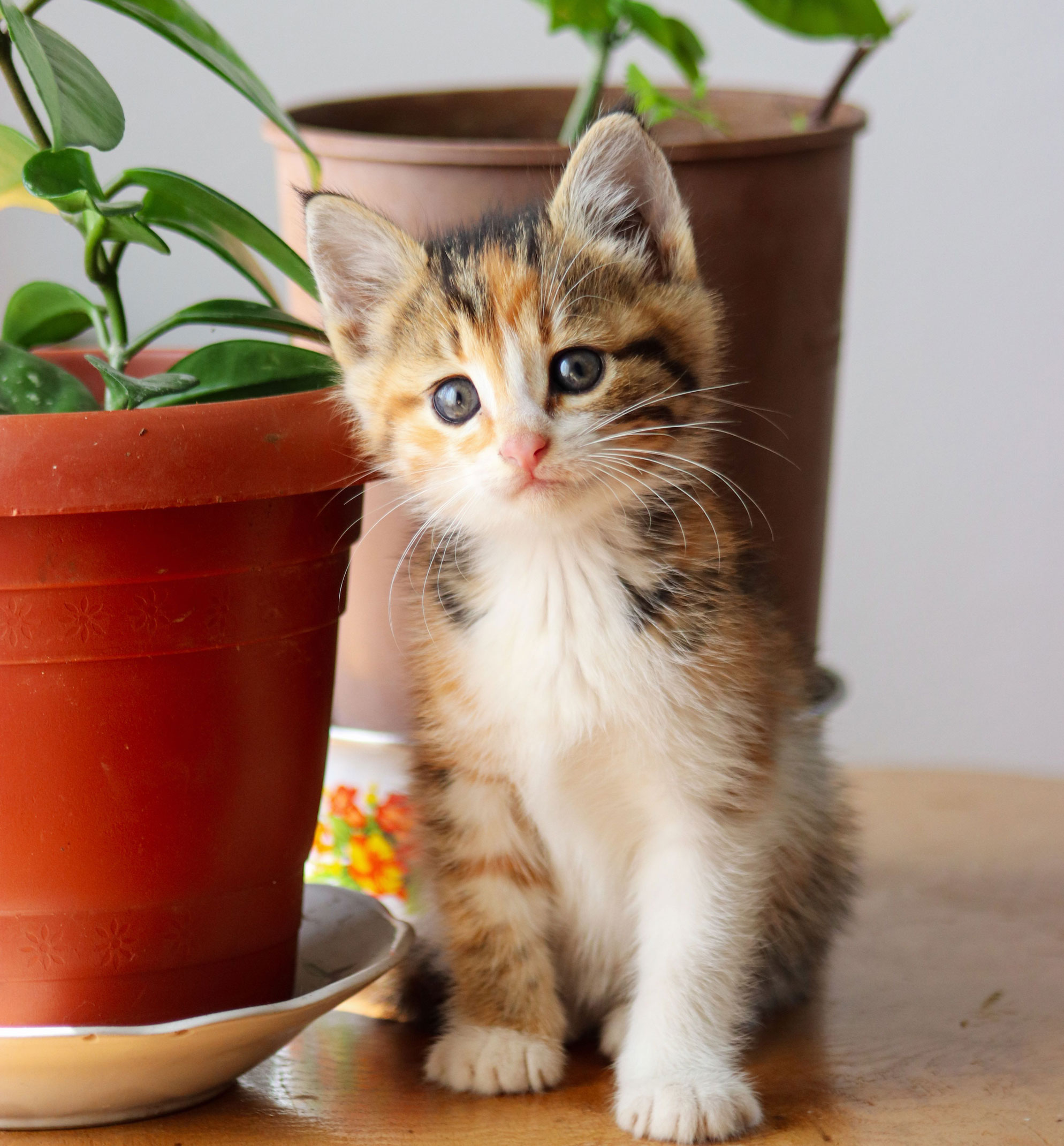
Should my kitten stay indoors?
For this reason, we generally recommend keeping kittens indoors until they have completed their vaccination course.
Once fully vaccinated, your veterinarian can discuss the safest way to introduce your kitten to the outside world if they will have outdoor access.
Indoor cats still need socialisation
Although outdoor exposure isn’t necessary, kittens still benefit enormously from positive experiences during their early months.
Introduce them gradually to:
- Different people
- Household sounds
- Gentle handling
- Nail trimming and brushing
- Carriers and short car trips
- Other household pets (where appropriate)
Positive early experiences help kittens become relaxed, confident adult cats.
Booster vaccinations
Regular booster vaccinations help maintain immunity throughout your cat’s life and provide an opportunity for us to perform a comprehensive annual health examination.
Diseases we vaccinate against
Feline Enteritis (Panleukopenia)
Often referred to as feline parvovirus, this highly contagious disease can cause severe vomiting, diarrhoea, dehydration and is often fatal in young kittens.
Fortunately, vaccination provides excellent protection.
Feline Herpesvirus & Calicivirus (Cat Flu)
These viruses are responsible for most cases of cat flu.
Symptoms may include:
- Sneezing
- Runny eyes
- Nasal discharge
- Mouth ulcers
- Loss of appetite
Although many cats recover, some continue to carry the virus for life and may experience flare-ups during times of stress.
Feline Leukaemia Virus (FeLV)
FeLV weakens the immune system and increases the risk of infections, anaemia and certain cancers.
Vaccination may be recommended for cats that spend time outdoors or have contact with other cats.
Feline Immunodeficiency Virus (FIV)
FIV affects the immune system and is spread primarily through bite wounds from infected cats.
Outdoor cats are at significantly greater risk because they are more likely to fight with other cats.
Vaccination may be recommended depending on your cat’s lifestyle.
Did you know?
Australia has one of the highest rates of Feline Immunodeficiency Virus (FIV) in the world, with approximately 1 in 7 cats that have outdoor access infected with the virus.
Chlamydia felis
This bacterial infection commonly causes conjunctivitis (eye infections), particularly in kittens.
Vaccination may be recommended for cats considered to be at increased risk.
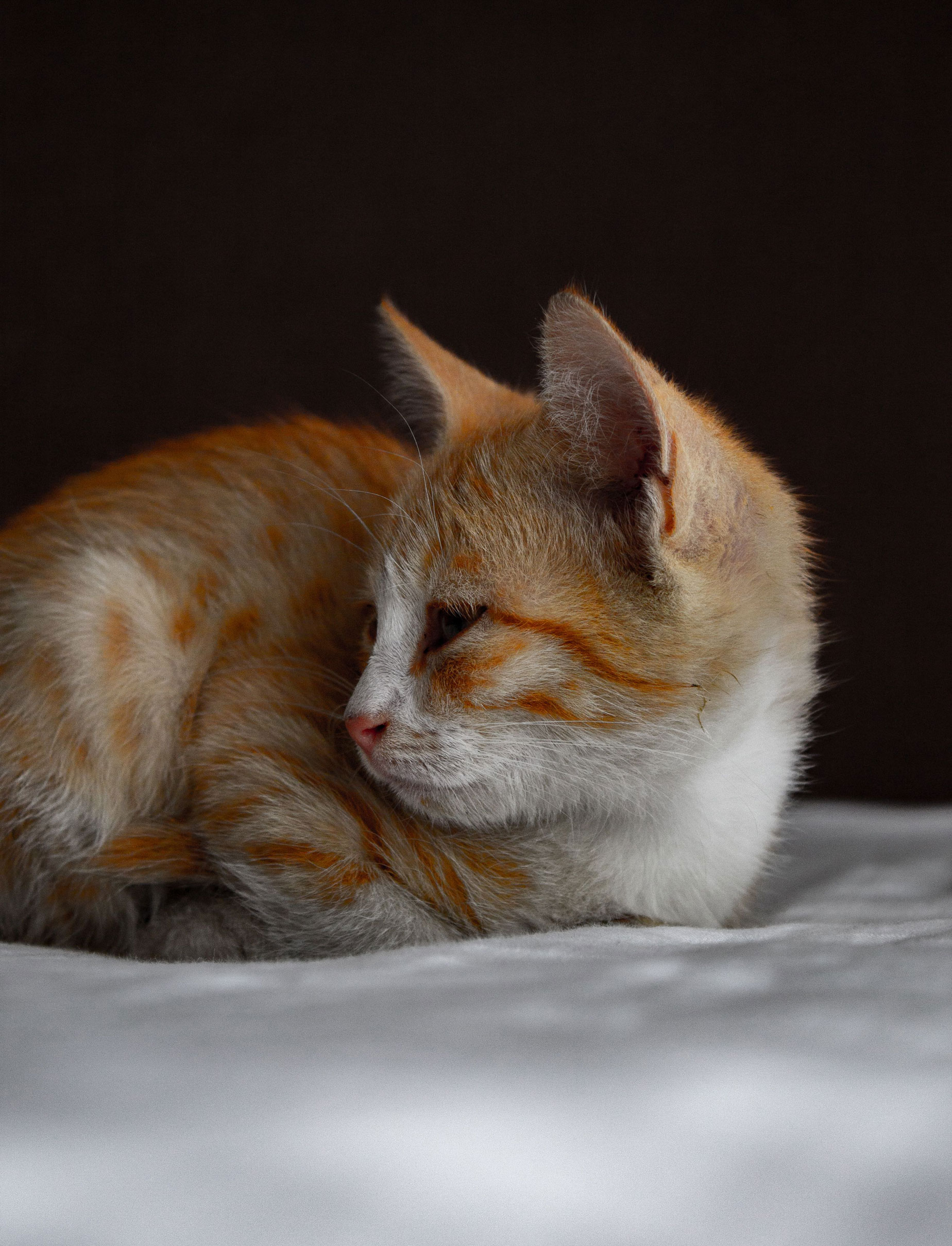
After your cat’s vaccination
Most cats recover quickly after vaccination.
Some may experience:
- Mild tiredness
- Reduced appetite
- Tenderness at the injection site
- A small lump where the vaccine was given
These signs generally resolve within one to two days.
If your cat develops facial swelling, difficulty breathing, repeated vomiting or any severe reaction, contact our clinic immediately.
Frequently asked questions
Does my indoor cat still need vaccinations?
Usually, yes.
Even indoor cats may be exposed to infectious diseases through visitors, other pets, contaminated objects or unexpected escapes. We’ll recommend a vaccination schedule based on your cat’s individual lifestyle.
Does every cat need the FIV vaccine?
Not necessarily.
The FIV vaccine is generally recommended for cats with outdoor access or those at increased risk of cat fights. We’ll discuss whether it’s appropriate for your cat.
Are vaccinations safe?
Vaccinations are a safe and effective way to protect cats from serious infectious diseases. Most cats experience no side effects or only mild, short-lived reactions.